
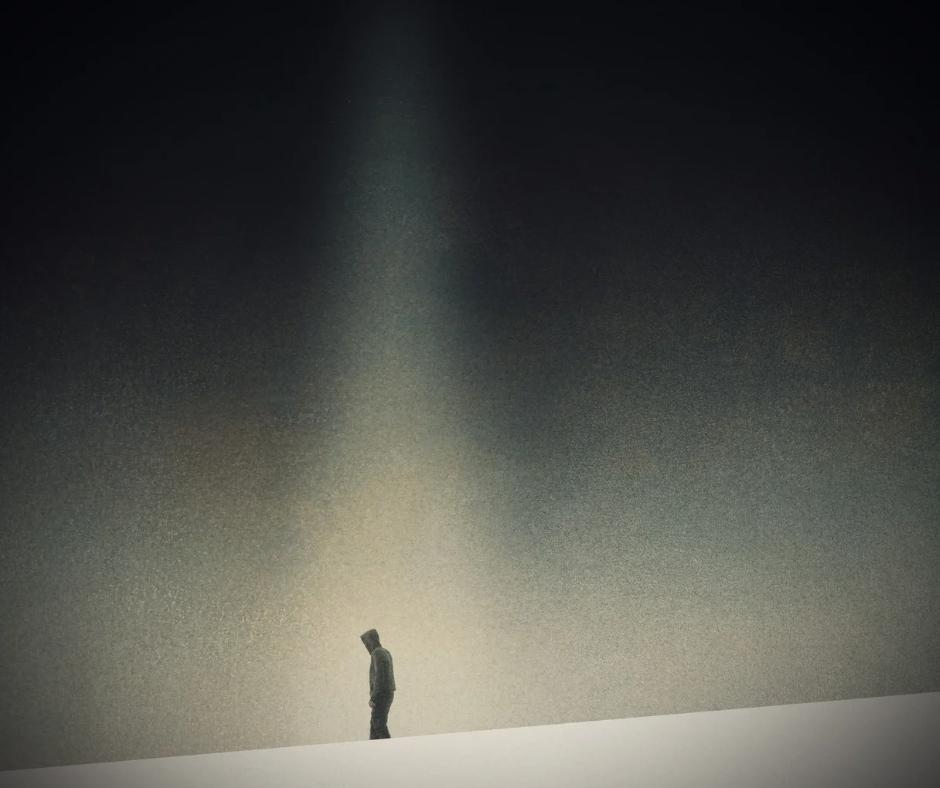
Everyone occasionally feels blue or sad, but these feelings are usually fleeting and pass within a couple of days. When a person has a depressive disorder, it interferes with daily life, normal functioning, and causes pain for both the person with the disorder and those who care about them. Depression is a common but serious illness, and most who experience it need treatment to get better.
Many people with a depressive illness never seek treatment. But the vast majority, even those with the most severe depression, can get better with treatment.
What are the symptoms of depression?
The severity, frequency and duration of symptoms will vary depending on the individual and his or her particular illness.
Symptoms may include:
Persistent sad, anxious or empty feelings
Feelings of hopelessness and/or pessimism
Feelings of guilt, worthlessness and/or helplessness
Irritability, restlessness
Loss of interest in activities or hobbies once pleasurable, including sex
Fatigue and decreased energy
Difficulty concentrating, remembering details and making decisions
Insomnia, early-morning wakefulness or excessive sleeping
Overeating, or appetite loss
Thoughts of suicide, suicide attempts
Persistent aches or pains, headaches, cramps or digestive problems that do not ease even with treatment
What illnesses often co-exist with depression?
Depression often co-exists with other illnesses.
Anxiety disorders, such as post-traumatic stress disorder (PTSD), obsessive-compulsive disorder, panic disorder, social phobia and generalized anxiety disorder, often accompany depression. People experiencing PTSD are especially prone to having co-occurring depression.
People with PTSD often re-live the traumatic event in flashbacks, memories or nightmares. Other symptoms include irritability, anger outbursts, intense guilt, and avoidance of thinking or talking about the traumatic ordeal. Researchers found that more than 40 percent of people with PTSD also had depression at one-month and four-month intervals after the traumatic event.
Alcohol and other substance abuse or dependence may also co-occur with depression. In fact, research has indicated that the co-existence of mood disorders and substance abuse is pervasive among the U.S. population.
Depression can also co-exist with serious medical illnesses.
If you or someone you know is struggling with depression, please seek help.
Dr. Steven Chen is a very experienced psychologist. He has worked with hundreds of people, many who have experienced depression and co-existing conditions. He is located in the Salt Lake City area.